
The assumption most people make
At specification stage, door hardware and locksets are typically selected based on compliance, standards, and intended function. It is often assumed that systems will perform as expected when needed.
However, real-world conditions can introduce challenges that are not always captured in standard testing or typical use scenarios.
In mental health environments, doors and locksets may be subject to:
- Sustained pressure on internal turns
- Obstructed keyways (accidental or deliberate)
- Doors being barricaded or wedged shut
- Continuous force from inside a room
- Tampering with latches or internal mechanisms
- Wear that does not affect daily use, but impacts emergency access
These are known conditions in environments where patients may be highly distressed.
When they occur, they can delay or prevent access at the moment it matters most.
Why relying on a single override can create risk
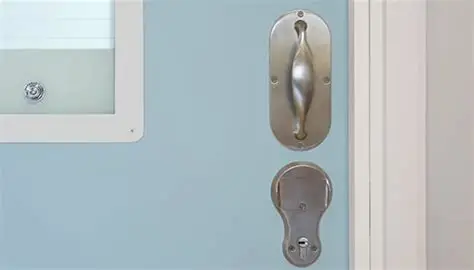
Many traditional locksets rely on a single method of override. In some environments, this simplicity is appropriate.
But in higher-risk settings, this approach can introduce vulnerability.
If that single method is compromised through misuse, obstruction, or mechanical failure, access may be delayed.
In other critical systems, this would be recognised as a single point of failure, something typically designed out through redundancy.
Applying that same thinking here means asking:
What happens if the primary access method doesn’t work?
Designing for reliability under pressure
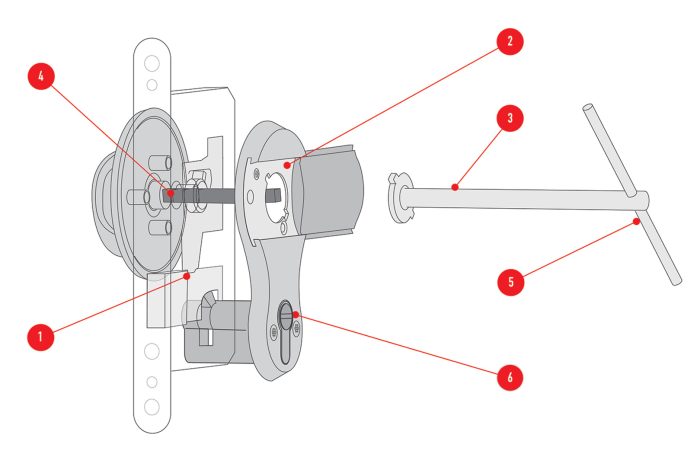
A more resilient approach is to design for multiple independent methods of access.
This does not replace compliance but builds on it.
Independent testing and real-world validation are essential. Testing door systems under load, misuse scenarios, and sustained pressure can reveal performance gaps not visible in standard compliance testing.
Project experience reinforces this.
Across the Priory Group estate, Safehinge Primera anti-barricade doors have been installed across multiple sites, with no reported failures of anti-barricade stops under service user pressure over several years of use.
This kind of long-term, in-use performance is critical. It demonstrates how systems behave not just in controlled conditions, but in the realities of a working ward.
Effective design is measured by how it performs in use.
Why specification details matter
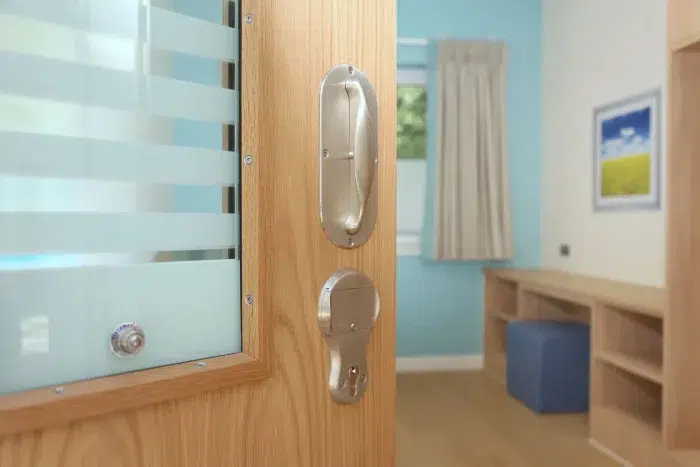
Locksets and door hardware can appear to be small components within a wider design.
But in mental health environments, their performance can have a disproportionate impact.
The difference between:
- a single override method
- and multiple independent access options
…can directly affect response time in an emergency.
It also influences staff confidence, knowing whether the environment will support them when rapid intervention is required.
A more complete view of safety
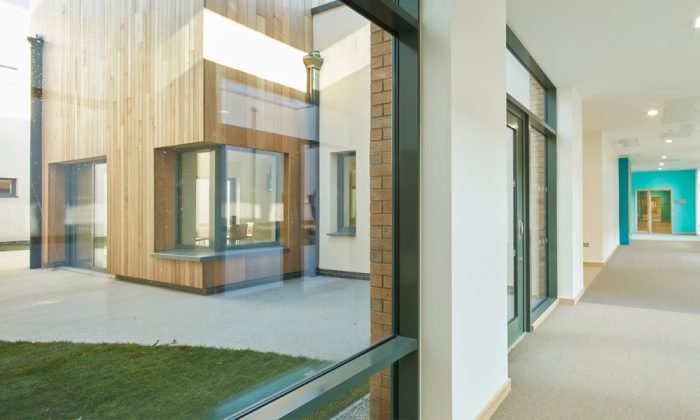
A well-designed mental health environment balances multiple priorities. It should:
- Reduce ligature risk wherever possible
- Maintain dignity and usability for patients
- Enable safe, reliable staff response in critical moments
Because in practice, its about preparedness rather than prevention.
Rethinking what matters in specification
Rather than reframing the lockset as something new, it’s more useful to reconsider what good performance looks like.
In mental health environments, hardware sits at a critical boundary between privacy and safety. Its role is to perform reliably across:
- Everyday use
- Foreseeable misuse
- High-pressure emergency situations
This calls for a shift in emphasis:
from meeting minimum requirements → to understanding real-world performance
The questions that matter
When specifying locksets for mental health environments, three questions are key:
- Does it function reliably in day-to-day use?
- Will staff be able to gain access quickly in most emergency situations?
- If one method fails, are there alternative ways to gain access without delay?
These questions move the conversation beyond compliance and towards resilience.
Because when a situation escalates, access is critical.
Designing for what actually happens
Designing for typical use is not enough in environments where situations can change rapidly.
By considering how systems perform under pressure and planning for those scenarios, it is possible to create environments that better support both patients and staff.
If you’re reviewing door hardware or lockset specifications for a mental health project, it’s worth looking beyond standard assumptions and asking how those systems will perform when it matters most.
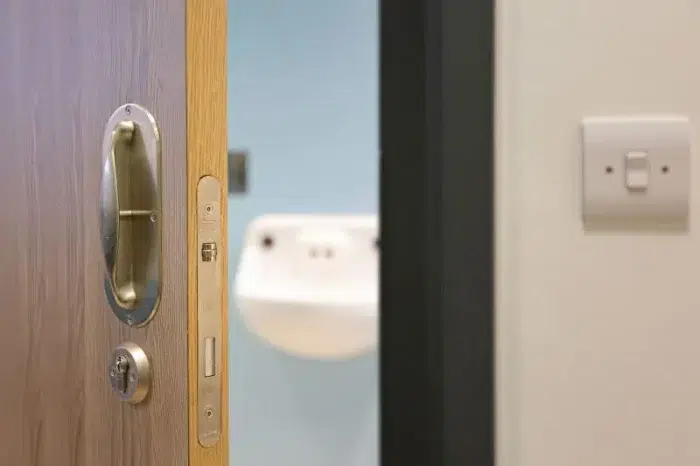
If you’re reviewing door hardware or lockset specifications for a mental health project, it’s worth taking a closer look at how those systems perform beyond standard conditions.
Explore how designing for real-world use — not just compliance — can improve safety outcomes for both patients and staff.
Or speak to our team about the testing, evidence, and design approaches that support reliable access when it matters most.