Anti-Ligature Fixtures
Innovations and Design Approaches in Mental Health EnvironmentsWhat Anti-Ligature products exist?
Various anti-ligature products have been innovated-upon and created explicitly with Mental Health wards and limiting ligature risks in mind. The most crucial developments in this are anti-ligature doors and door handles. Window handles, and restrictors are also critical since they pose the highest risk for ligature suicide attempts.
Products we’ll cover on this page:






Contact Us
Please get in touch
Anti-Ligature Doors
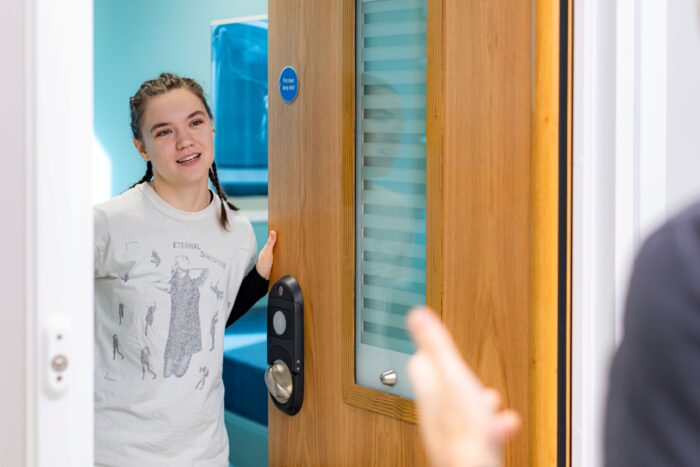
Anti-ligature doors are designed to prevent people from using door fixtures and fittings to harm themselves or others by tying a ligature around the door handle or other parts of the door. They are commonly used in Mental Health care facilities, detention centres, and generally high-risk environments with a risk of suicide or self-harm. Anti-ligature doors may have special features such as hidden hinges, tamper-proof hardware, and smooth surfaces to reduce the risk of harm.
With our En-suite Doors, for example – if a weight of more than 3 kg is applied, the saloon-style swing door leaves will detach, failing the ligature attempt. The en-suite door is more pleasant, dignified and safe than the shower curtains. The carer can see the patient’s head and feet in the shower (with their body covered). With the space below and above the door – they can check on the patient without interrupting or disturbing them.
Anti-Ligature Door Handles
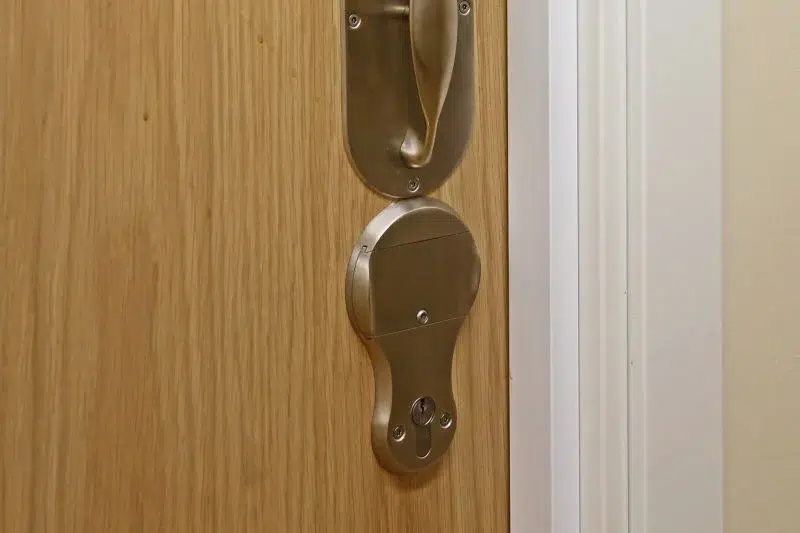
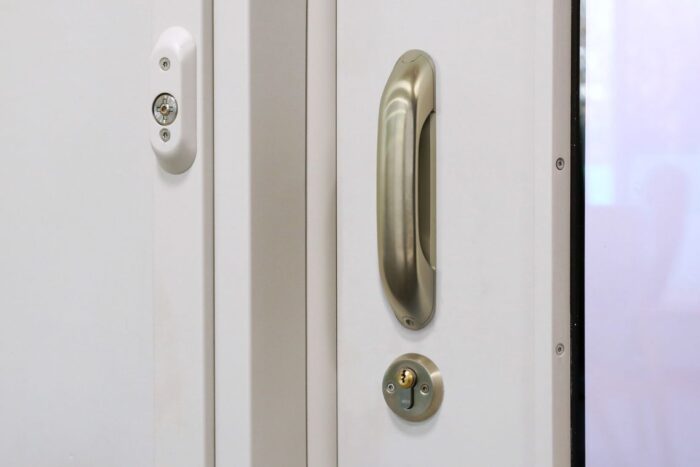
Anti-ligature door handles can come in different levels of strength and are designed to be robust, durable and tested for suitability in Mental Health facilities for their high ligature resistance. These handles should withstand tying of fabric, rope or any other material to reduce the risk of self-harm and suicide attempts by patients.
These door handles are made of solid metal and smooth to the touch so that ligature attempts can not stick. Anti-ligature door handles can be fitted to new doors in newbuilds or retrofitted in Mental Health facility renovations and retrofits.
Full Door Ligature-Alarm
Nearly half of all inpatient suicides in Mental Health facilities involve using the door or door hardware. Therefore, it is critical to have warning and intervention systems in place.
Safehinge Primera has developed a pioneering full-door ligature alarm system that acts as a weighing scale for loads exceeding 5 kg. When patients tie a ligature around their neck or body and apply pressure, the door’s weight is affected, and sensors alert staff.
This alarm is a safety feature used in Mental Health facilities and other high-risk settings to notify ward staff of potential self-harm incidents and enable prompt intervention to reduce harm to the patient. A ligature alarm aims to minimise the risk of self-harm or suicide ligature attempts by providing early warning and intervention.

Why are Anti-Ligature Door Handles and Doorsets especially important?
According to the 2022 National Confidential Inquiry into Suicide and Safety in Mental Health, prepared by the Healthcare Quality Improvement Partnership, most in-patient suicides result from hanging or strangulation in a single bedroom (62%) or in a bathroom (29%). Other stats concerning doors and windows from the report:
- The most common ligature points are doors – 49% Or windows – 10%
- The most common ligatures are a belt – 35% Or sheets/towels – 24%
The door is an essential consideration for a Mental Health patient as it represents privacy, dignity, and empowerment. Creating a normal environment is crucial in enabling patients to succeed in their recovery journey. As clinical teams cannot always be everywhere, providing additional observation options through effective door design can significantly aid clinicians in caring for their patients more effectively.
Safehinge Primera doorsets are built to withstand extreme abuse – solid laminated hardwood doors are designed with both robustness and safety in mind. The durable PVC facings reduce damage when they are under attack. For the patient’s safety, no hardware protrudes to cause risk of injury or self-harm.
Our design and research-led approach helps us create a unique balance of aesthetics, safety and robustness. Rigorously tested to withstand the abuse, our non-institutional doorsets are designed explicitly for inclusive Mental Health units that aid recovery.
Find out more about our creating an anti-ligature Mental Health environment.

Anti-Ligature Window Handles
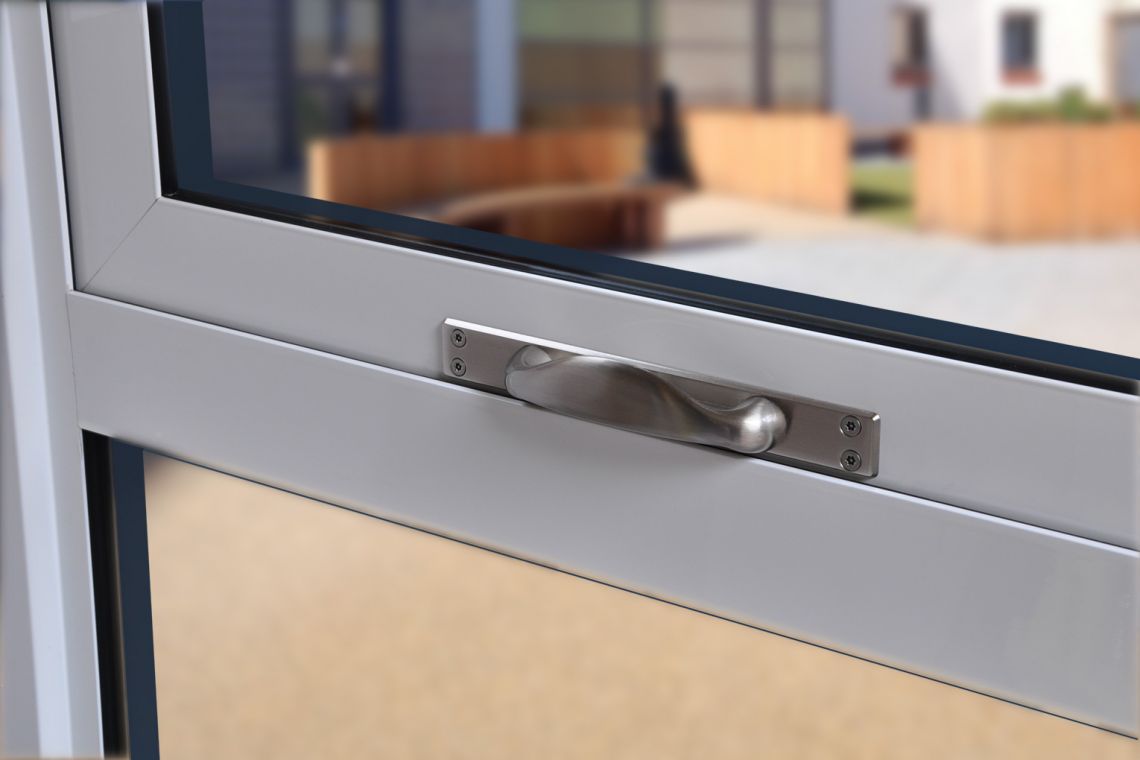
Anti-ligature window handles have a unique design, making it difficult for patients in Mental Health facilities to attach ligatures (fabric, belts, scarves, bedding, cords etc.), reducing the risk of harm to themselves or others.
Window handles can be added in Mental Health facilities to immediately impact the safety and security of patients on the ward. These can be fitted to new-build projects or retrofitted to existing facilities to increase patient safety.
Because they are designed specifically for Mental Health anti-ligature purposes, they are robust and durable. They can give patients more freedom than traditional locked window options.
We offer four options for anti-ligature window handles:
- Lifeline Keyward Window Handle – a staff-only key, keeping clinical staff in control.
- Camlock Window Handle – a simple, tried and tested handle known as ‘keyed alike’.
- Standard Push/Pull Window Handle – for windows with no locking mechanism.
- Convertible Window Handle – providing flexibility on the ward to enhance patient safety and security.
Anti-ligature Hooks
An anti-ligature hook, such as our anti-ligature coat hook, is designed to minimise the risk of self-harm or suicide by individuals in facilities such as hospitals, psychiatric wards, and prisons. These hooks are typically designed with rounded edges and are flush-mounted to the wall, reducing the possibility of attaching a ligature to the hook for self-harm purposes.
The hook prevents the attachment of ligatures (e.g. ropes, cords, fabric, clothing, or other items used for hanging). In day-to-day life on the ward, service users use these plastic, u-shaped hooks to hold bags, clothing, and bathroom items. When the weight on the hook exceeds a certain amount (typically 5 kg), the hook releases any item it holds.

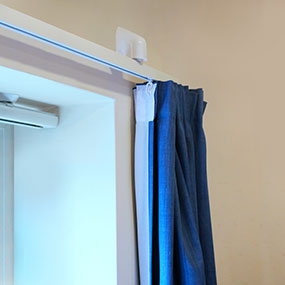
Anti-ligature Shower Curtains and Shower Rails
An anti-ligature shower curtain is a specialised solution designed to prevent individuals from using it to self-harm by creating a noose or ligature. It typically features reinforced grommets or eyelets to prevent tearing and is made from tear-resistant, flame-retardant, and non-absorbent materials to minimise ligature risk.
Anti-ligature shower rails are constructed from durable, tamper-resistant materials that withstand heavy use and resist damage. Their design eliminates potential ligature points—any area where a person could attach a cord, rope, or other material for self-harm.
We supply load-release anti-ligature fittings, including shower tracks and curtain tracks.
Anti-Ligature Lighting
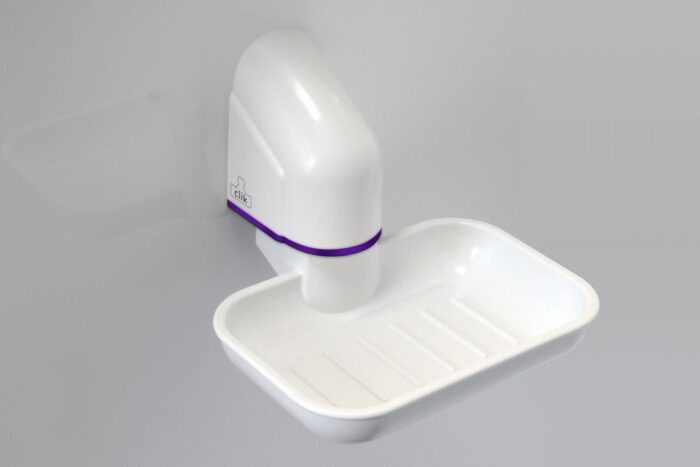
Anti-ligature lighting takes into account all parts of a light fixture that could be tampered with—particularly any protruding fabric or material—and is a critical consideration in architectural design for high-risk environments. While architects and designers must ensure adequate lighting and energy efficiency, they also need to prioritise smooth, flush-mounted fixtures that prevent patients from using fittings to self-harm.
Lighting plays a vital role in the sensory environment within Mental Health facilities and can significantly affect patients’ sleep, rest, and recovery. As such, anti-ligature lighting must be factored into both new Mental Health facility designs and the renovation of existing spaces.

Anti-Ligature Materials and Clothing
Safety for the wearer is the primary objective behind the engineering of anti-ligature clothing. These garments are typically comfortable yet fire-retardant, strong, sturdy, and anti-tear (or un-rippable), ensuring that the fabric cannot be destroyed or repurposed into a ligature.
This approach helps prevent Mental Health patients from using materials or ligature points within a ward environment to cause harm to themselves.
Anti-ligature materials can be used in clothing such as pyjamas and bedwear, as well as in bedding, including pillows, blankets, mattresses, and even kitchen and dining wear.
According to the 2022 National Confidential Inquiry into Suicide and Safety in Mental Health, prepared by the Healthcare Quality Improvement Partnership, the most common ligature points are doors -

Let’s Build Safer Spaces Together
If you’re looking to create a safer and more stylish environment in your spaces, contact us today to learn more about our solutions.
Purchasing Anti-Ligature products
When it comes to Mental Health environments, safety is always a top priority.
That’s why choosing the right anti-ligature products is essential to ensure the well-being of patients with suicidal intent and staff. At Safehinge Primera, we take pride in offering a wide range of innovative and high-quality anti-ligature products designed to meet the diverse needs of Mental Health facilities. Our doorsets, fixings and handles (and all anti-ligature products) are tested independently, proven effective, and compliant with the latest technical standards, providing peace of mind for patients and carers.
By investing in our products, you can be confident that you are making a responsible and safe choice for your facility, staff and patients. Choose Safehinge Primera for the ultimate anti-ligature products, and don’t compromise on safety. Find out more about Anti-Ligature meaning in Mental Health.
If you have any questions about our Anti-ligature or Anti-barricade products, please get in touch with us today to learn more.

Sign up to our newsletter
Join our newsletter and stay informed about the latest innovations in door safety. From expert tips to product updates, we’re here to help you create safer spaces for your organisation.
Sign up today and take the first step toward peace of mind!