Full-door Ligature Alarm
Monitors the entire door to detect dangerous load anywhere across its surface, alerting staff immediately to potential ligature risk. Fully integrated and discreet, it preserves everyday door performance and the ward’s therapeutic look and feel.
- Full door ligature detection
- Discreet and ‘invisible’ therapeutic design
- Integrates seamlessly with existing alarm systems
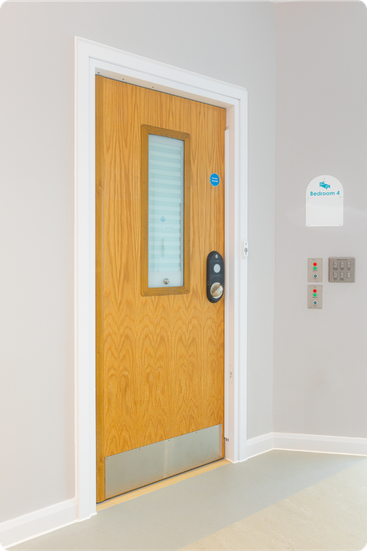


How Full-Door Anti-Ligature Alarms Work
Engineered for high-risk mental health wards where Full-Door is crucial.
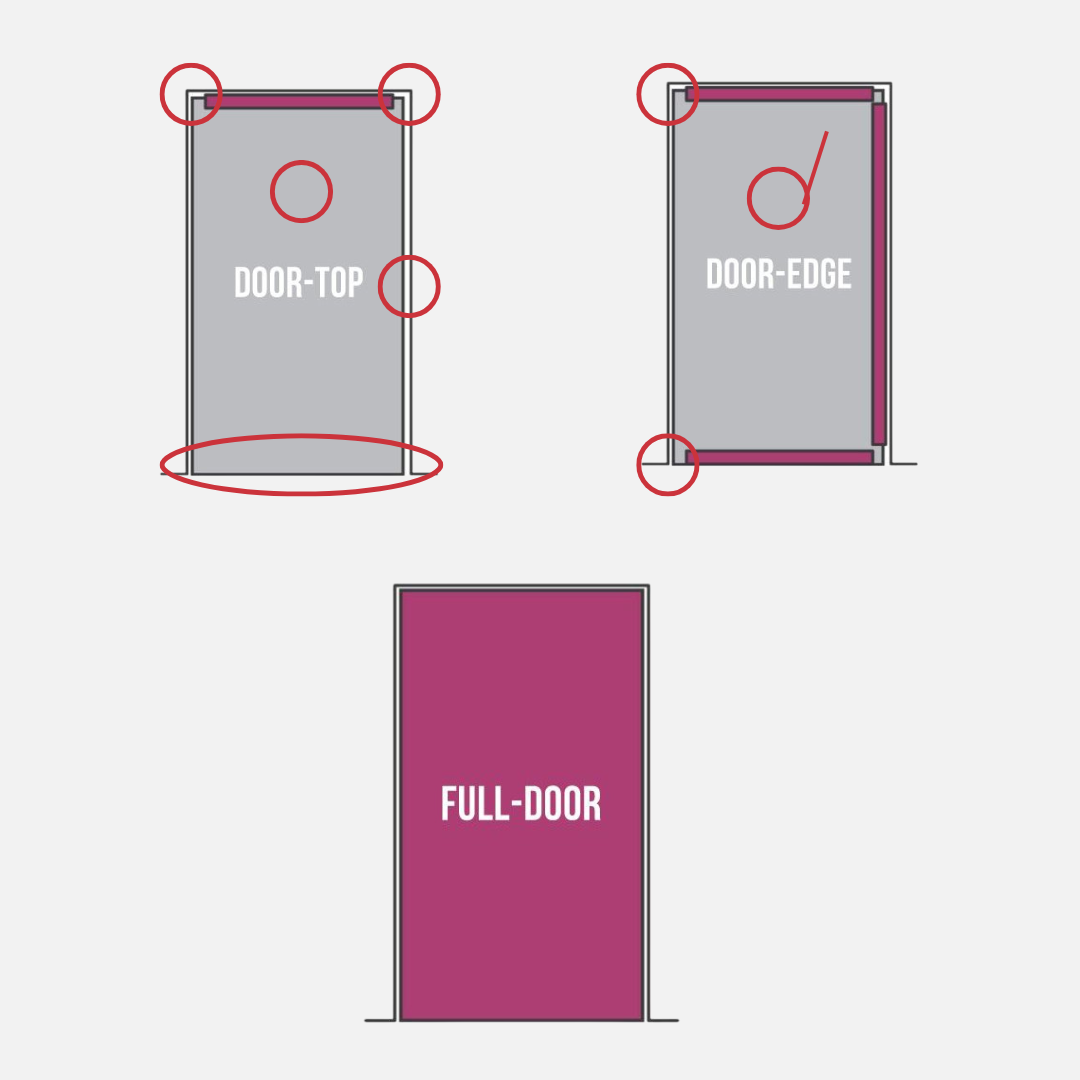
Detect ligatures anywhere on the door
Our full-door ligature detection system acts a scale which monitors the entire door leaf, alerting staff when a dangerous load is applied anywhere across its surface.
- Monitors the full door, not just the top edge
- Detects ligature risk at high and low anchor points
- Immediate alert supports faster, safer intervention
Maintain a therapeutic environment with invisible alarms
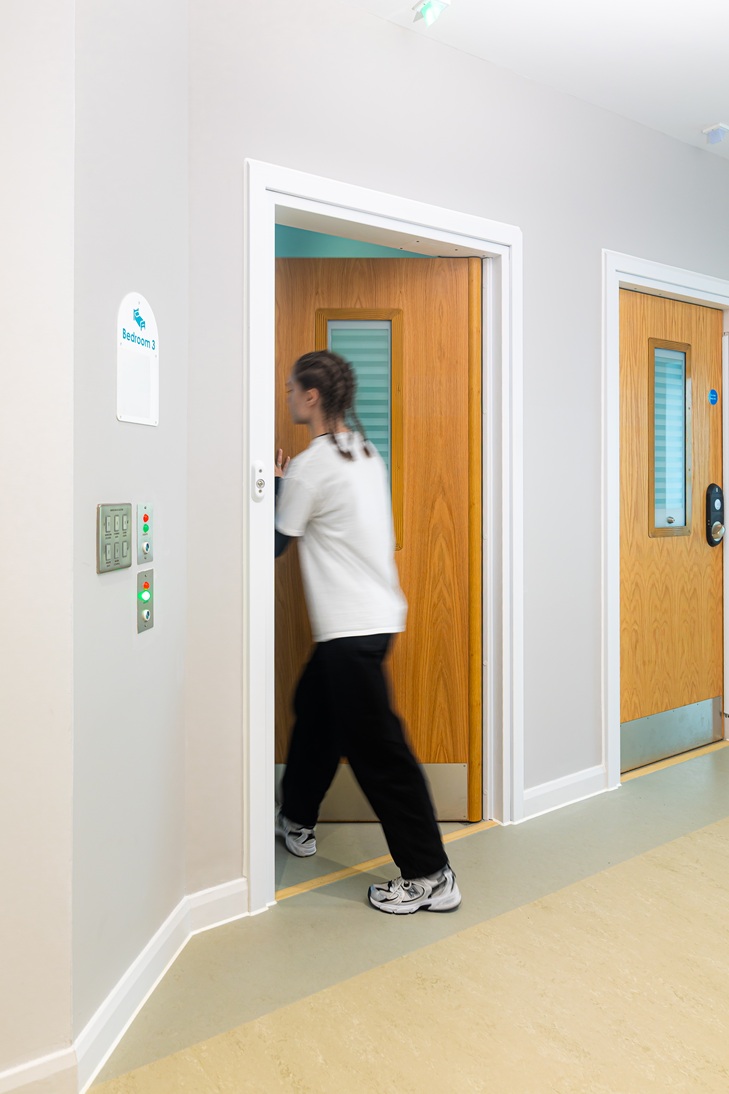
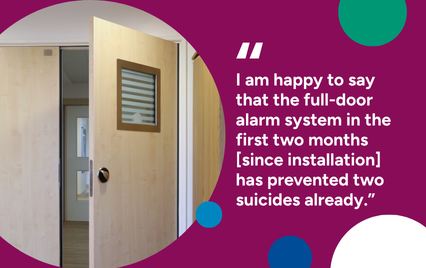
Our full-door ligature alarm is fully integrated within the doorset, providing continuous protection without visible sensors, panels or intrusive hardware.
- Alarm system concealed within the door construction
- No visible fixtures or institutional additions
- Preserves the ward’s therapeutic look and feel
Integrate door alarm effortlessly with your existing infrastructure
Designed to connect smoothly with your existing nurse call and safety systems, ensuring alerts reach the right people without adding complexity.
- Compatible with existing systems such as pinpoint, paxton and intercall
- No need for standalone monitoring systems
- Supports streamlined, joined-up response protocols

Locking Options
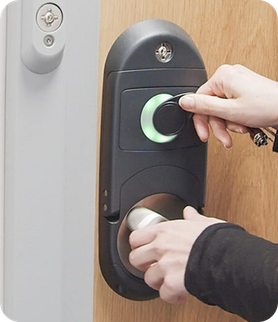
Electronic lockset
Flexible access control, with certainty built in.
Designed for modern mental health environments, the electronic lockset combines discreet anti-ligature design with reliable, intuitive access control. It supports staff workflows without ever removing the certainty of manual intervention.
-
Anti-ligature design
Reduces risk while maintaining a familiar, non-institutional look and feel. -
Wireless power
Simplifies installation and maintenance, with no cabling through the door leaf. -
Mechanical override
Ensures staff can always gain access, regardless of power or system status. -
Card or key fob access
Integrates with third-party access control systems for joined-up security.
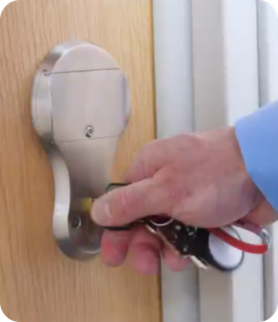
Mechanical lockset
Straightforward, dependable, and ready under pressure.
A purely mechanical solution built for environments where predictability matters most. This lockset is designed to work intuitively in high-stress situations, without reliance on power or electronics.
-
Anti-ligature design
Developed from first principles to reduce risk in high-pressure settings. -
Staff-side override
Allows controlled access from a safe position during incidents. -
T-bar leverage tool
Provides reliable entry when additional control is required. -
Spindle access failsafe
Maintains access in the event of key-way blockage.
Do you know your alarm rates?
False Alarms continue to be one of the most discussed pain points across mental health in the UK, but do you know where annoyance turns into alarm fatigue, then a safety risk for staff and patients?